
Who We Are
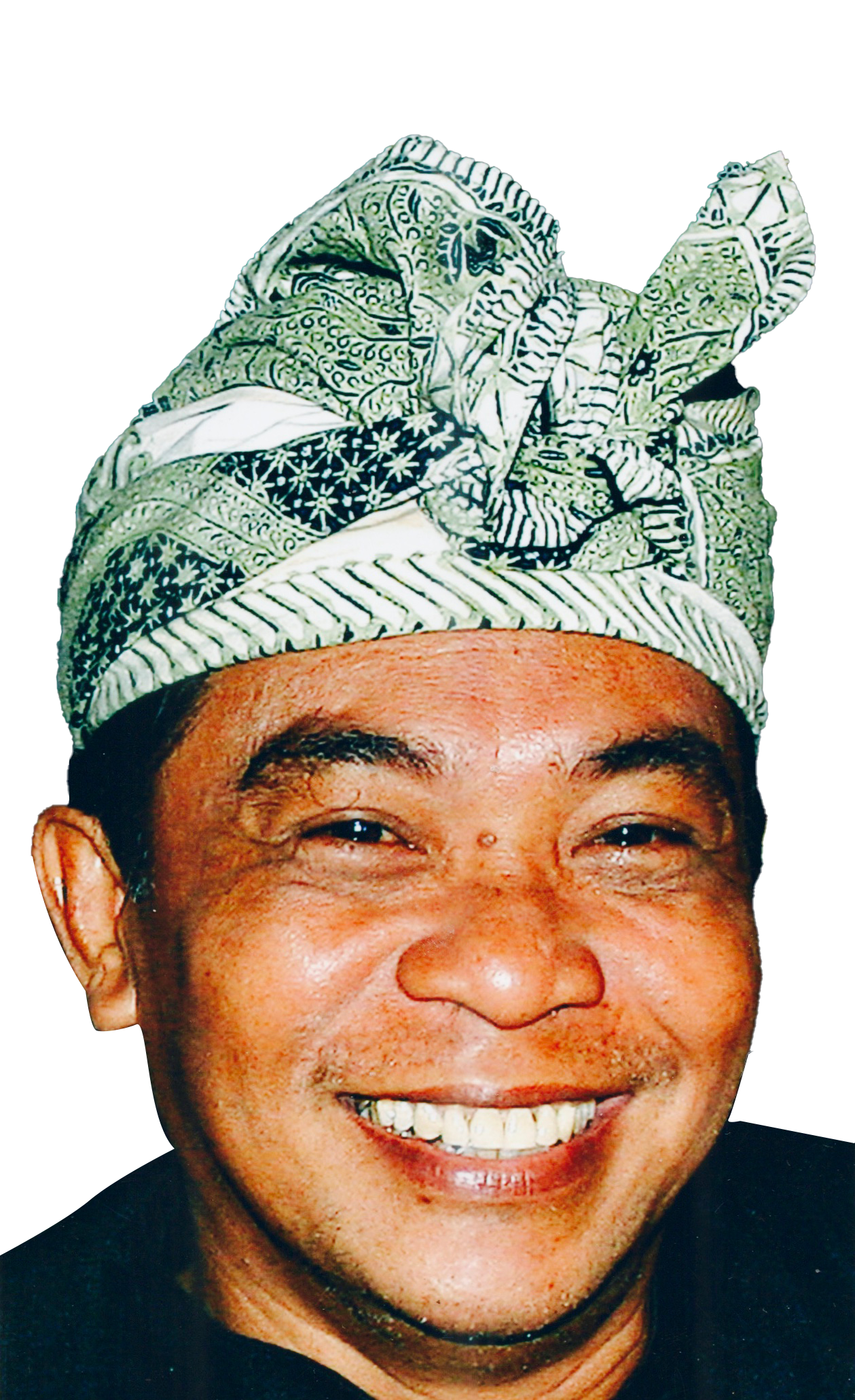
IDA BAGUS ANOM
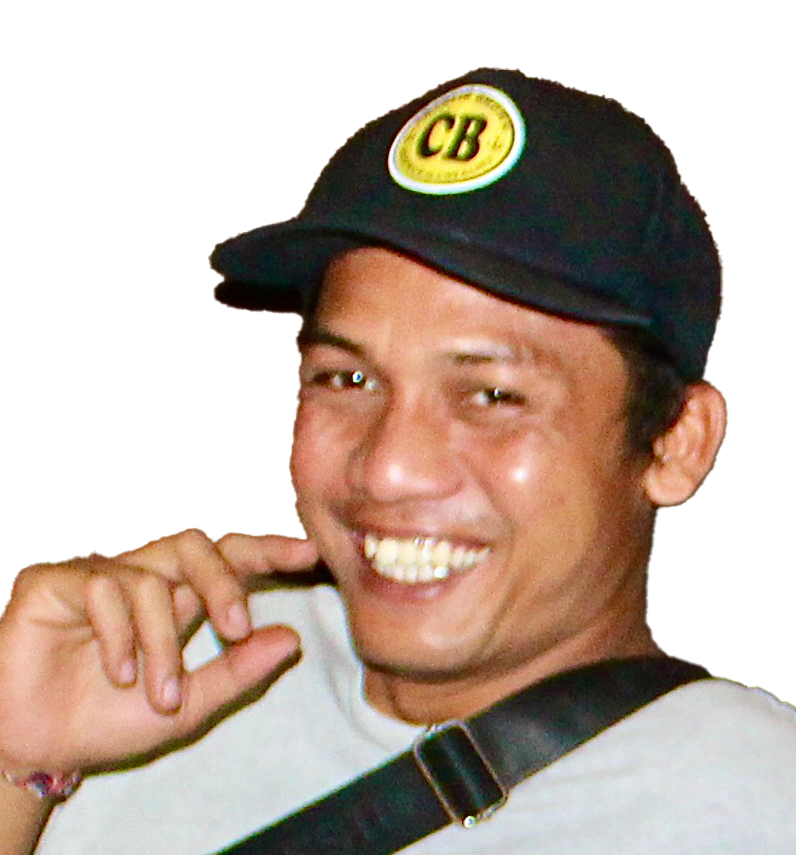
I WAYAN ERIK WAHYUDI
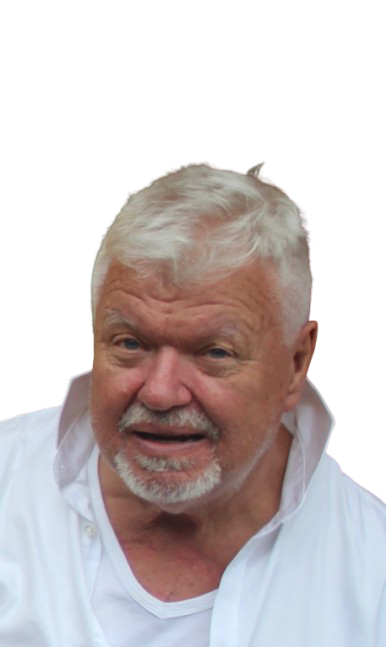
PER BRAHE
Where are we coming from, where are we going to, and what are we doing here right now?
The Bali Theatre Work Centre is an education and performance centre for Theatre, Dance, Writing, and Music, providing the Balinese and the Global Communities insight, education, and freedom in life, imagination, and creativity.
The Bali Theatre Work Centre has a long-lasting connection to the Balinese Spiritual, Emotional, and Practical aspects of the Balinese society.
The “foundation stone” was positioned by Mask Maker Ida Bagus Anom and Theatre Director Per Brahe during his second trip to Bali in 1989.
In 1988, Per Brahe arrived in Bali to search for what the French Author, and Artist Antonin Artaud (1896 – 1948) experienced in Paris in 1931.
There, Artaud experienced a Balinese dance ensemble under the artistic direction of Anak Agung Gde Mandera, prince and patriarch of the village of Peliatan, who had been asked to perform at the Dutch pavilion at the Exposition Colonial Internationale in Paris. Indonesia was under Dutch control at that time.
Artaud is best known for his writings as well as his work in theatre and film. He is widely recognized as an important figure in the European avant-garde and had a particularly strong influence on 20th-century theatre through his conceptualization of the "Theatre of Cruelty" and "On the Balinese Theatre".
Antonin Artaud's book “The Theatre and Its Double” describes in two chapters, "On the Balinese Theatre" and "Oriental and Occidental Theatre", the spectacular performance in such a way that the essay served as a basis and inspiration for Per Brahe's education at the Danish School of Performing Arts, 1980-1984.
Per Brahe found no such qualities among the dancers in Bali, but he found Ida Bagus Anom, the most famous mask maker at that time.
And that is where the foundation was set, and they kept working together until Ida Bagus Anom died in 2020.
In November 2025, Per Brahe witnessed a performance that – one night only - that in its expression must have been very close to what Artaud saw in Paris.
And is now working on these elements to develop them and bring the material back to the Balinese dance and Actors visiting the different programs.
THE INEVITABLE
Today, Bali Theatre Work Centre is a fully unified organisation with deep roots in TRI HIRTA KARANA, a world of multi-dimensions of gods, humans, and nature, which symbolises happiness for the Hindu people of Bali. And NAWA DÉWATA, THE NINE GODS, who are also known as NAWA SANGA, THE NINE DIRECTIONS.
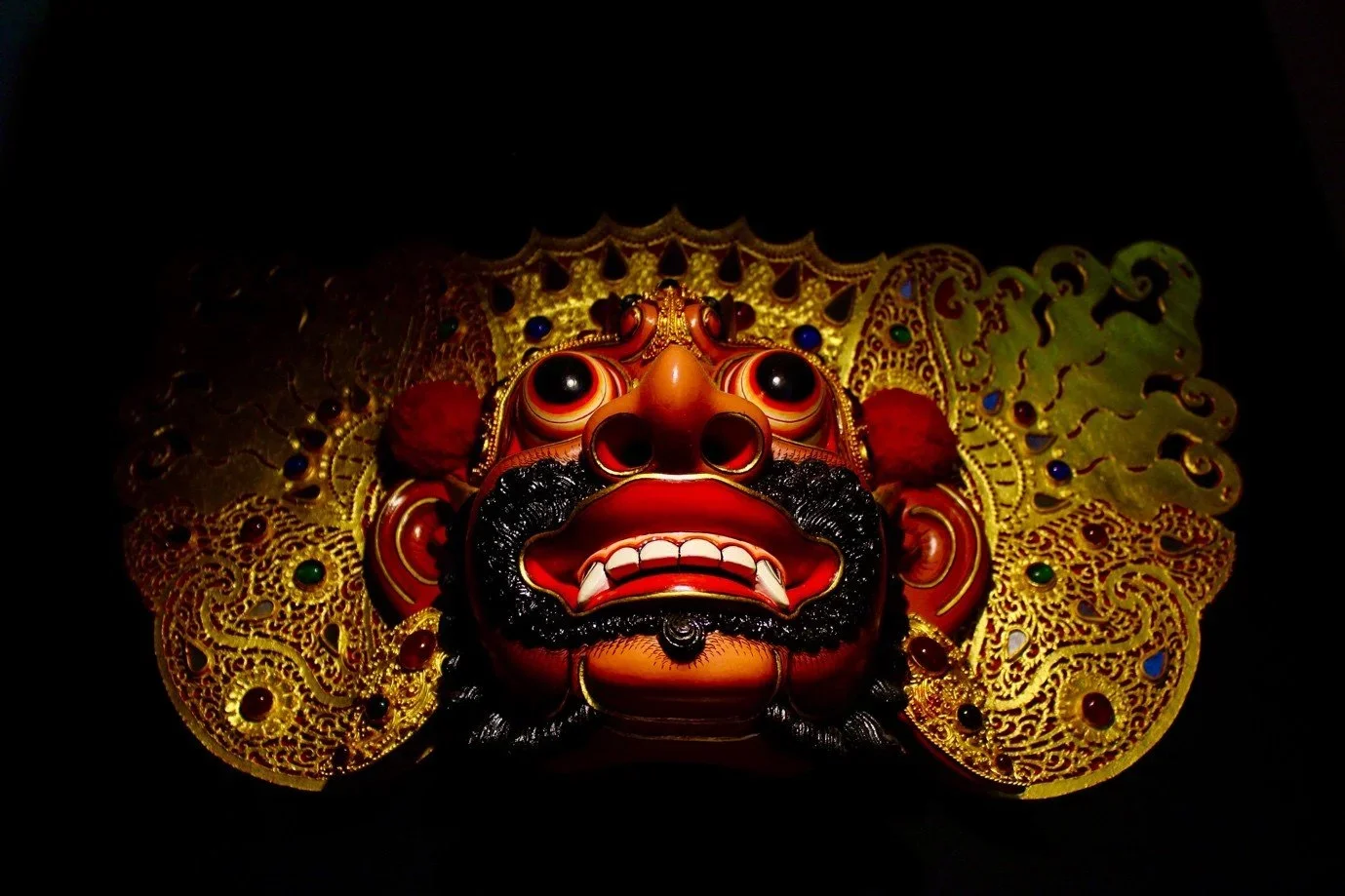
These two ancient scriptures constitute 2/3 of the theatre’s foundation, and over the years, those two essential texts formed an unpublished education/ schedule manual that the Theatre calls “The Poleng Manual.” The last 1/3 to complete the concept is the theatre’s huge collection of TOPENG SACRAL. Mask Special dedicated to Actors.
Together with the masks collection of around 345 masks, THE TOPENG SACRAL, they constitute some of the ingredients needed for a performance to achieve the vital energy that the Balinese call TAKSU, and which is the gateway to the most beautiful and enriching that lies hidden in the statement “Beyond the Beyond”.
We mean that the future theatre must study these elements to keep the theatre alive in the future.
I Wayan Erik Wahyudi is the CEO for the Bali Theatre Work Centre and its facilities. Leader for the faculty ensemble. We are integrated into the Banjar Lodsema and their guidance and protection from the leading Banjar members.
THE PREMISE
TRI HIRTA KARANA
Tri Hita Karana is a traditional Hindu philosophy for life on the island of Bali, Indonesia. The literal translation is roughly the "three causes of well-being" or "three reasons for prosperity."
The three causes referred to in the principle are:
1. Harmony with God
2. Harmony among people
3. Harmony with nature or the environment
It is derived from the Balinese Hinduism and knowledge that promotes harmony among fellow human beings through communal cooperation and promoting compassion; harmony towards the idea of God, manifested in numerous rituals and offerings to appease the Hindu deities; and harmony with their environment, which strives to conserve nature and promote the sustainability and balance of the environment. Tri Hita Karana is credited for the island's prosperity as a whole, its relatively stable record of development, environmental practices, and the overall quality of life for its residents.
-
Emphasizes the relationship between humans and the divine or spiritual realm. It reflects the Balinese commitment to honouring the gods and the ancestors through rituals, ceremonies, and offerings.
-
Origin: Derived from the word "wong" (person), which refers to human affairs in social life.
Social Relations: Focuses on interactions between individuals, families, and communities, including cooperation and solidarity.
-
This includes maintaining cleanliness, conserving natural resources, and using them wisely for the sustainability of life. This concept is often understood as 'land' or 'living environment.
In practice, it is a guideline for management and faculty and is used when there is a need to highlight and debate the qualities in relation to the various educational programs we establish during the year. Or even our performances.
The imaginative and artistic richness of the material makes it sensitive to work with for everyone involved.
Bali and its everyday life make demands on our visitors; even if you do not directly participate in everyday life, you will be hit by the atmosphere and energies. Bali is the community of the Balinese, and guests at the Bali Theatre Work Centre are also guests in Bali and must follow and respect written and unwritten laws and traditions.
Who participates with what, for whom, how, why, and where?
It is our common task to get the individual participant or the ensembles to function optimally together, based on the material we have collected and from which we teach.
In the initial online interviews, we will do everything we can to guide the individual so they know if this is the right place to travel to.
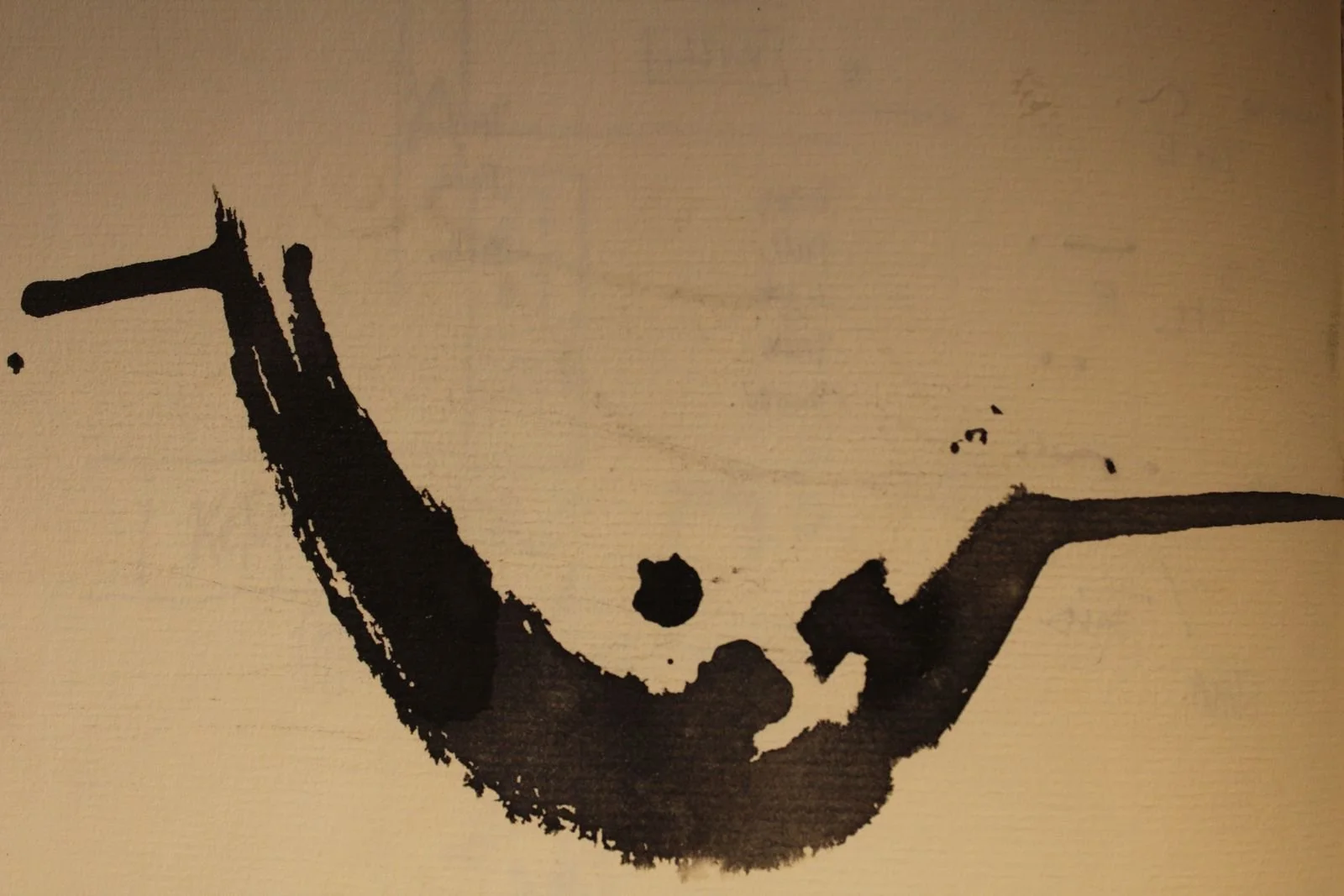
From PREMISE to FUNCTION.
THE POLENG MANUAL.
The POLENG manual is a theatrical/literary archaic storytelling model that forms the schedule of the teaching materials we use at the Bali Theatre Work Centre.
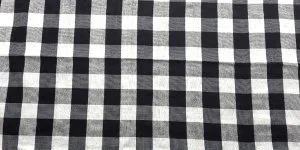
Poleng is a black, white, and grey woven fabric that is seen everywhere in Bali and represents the image of TRI HITA KARANA, or as an essential representation of the human body. The Will The Thinking, and the Feeling.
In the training for the actor, we use the wisdom of Poleng to sharpen the language. The consonants are controlled by our will, the vowels represent our feelings, but are still under the control of the will.
The consonants and vowels together create the word.
Balinese dance is based on Thinking, Feeling, and Will, and when expressed in connection with ceremonies that aren’t meant to entertain the audience, in traditional understanding, the dance is an indirect/indirect stimulation of the spectators’ WILL, FEELINGS, and SPIRIT, representing TRI HITA KARANA.
From the European culture, we know that composers like Vivaldi, Johan Sebastian Bach, and Beethoven contribute collectively to all human beings. All Bach’s 6 Brandenburg Concertos are based on Will, Feeling, and Spirit.
The three gods mentioned above are all part of the NAWA DÉWATA. a spiritual system that organizes the cosmos by assigning specific gods, colours, and celestial symbols to the cardinal and intermedia direction. The Nine Gods. Nava Sanga. The nine directions, and their Sakti, the female force that creates power and energy in unity with the male God.
Wisnu/Sri. Sambu/Mahadewi. Iswara/Uma. Maheswara/Laksmi. Brahma/Saraswati. Rudra/Samod. Mahadewa/Samodi. Sangkara/Rodri. Siwa/Durga.
Every day we draw inspiration from Michael Chekhov’s exercises, and qualities from the specific god who that day "has agreed to inspire us". Each day has a suggestion for which masks we can use with that day's scheduled material.
But nothing is written in stone, and the days follow either the individual actor or the ensemble's development.
It is a unique universal wisdom, with a dynamic that inspires the actors who are easily compatible with our acting training and who live in the exercises.
It is important to emphasize that these nine gods play an equally large role in the daily life of the Balinese as Tri Hirta Karana. Integrated with our artistically created MASK COLLECTION, we have established a strong platform from which we can effectively draw inspiration and wisdom to the benefit of each participant.
It is an aesthetic and ethical process and in no way makes demands in a religious or orthodox way. As well as it still operates with deep respect for the Balinese Culture.
The structuring of our exercises, woven together with the Nava Déwada, named ”The Poleng Manual”, is inspired by the book Bhagavad Gita, which is a book incorporated into the great poem Mahabharata.
It is an existential conversation between Arjuna and Krishna, and in this book, the text uses what we call a "central scene.”
The Central Focus:
Four poems are copied into the Poleng Manual on its central day, titled "The Intelligence of Existentialism."
The "I AM" Connection: In the Bhagavad Gita, four central key poems begin with the phrase "I AM." Similarly, the central day of the “Poleng Manual” is centered around this same declaration: "I AM."
Program Structure & The Spiral Timeline
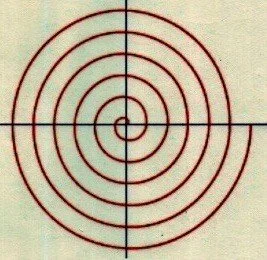
The program follows a spiral progression anchored around Day 9:
Day 9 (The Center): Titled "The Intelligence of Existentialism," Day 9 acts as the midpoint from which a spiral is drawn.
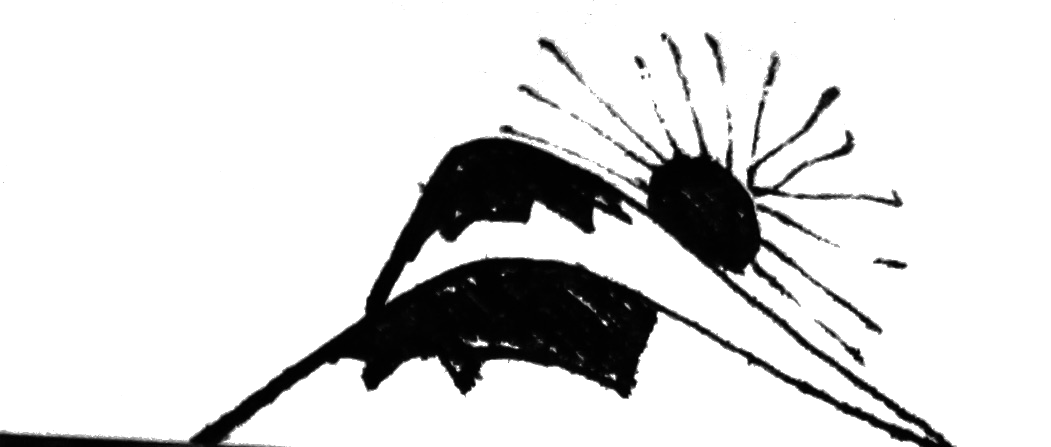
Day 1 (The Beginning - East / SUNRISE): Where the timeline intersects the left side of the spiral for the first time, we designate Day 1. This marks the start of the program, associated with the god Iswara in the East—representing the sunrise, sun, and light.
Day 16 (The End - West / SUNSET): Where the timeline cuts through the spiral on the right side at its outer end, we designate Day 16. This marks the conclusion of the program, associated with the god Mahadeva in the West—representing the sunset and shadow.
The Program Journey
As the timeline cuts through the spiral across 16 points (16 classes) (from Day 1 to Day 16), the journey moves from sunrise to sunset, with the participants’ time and space for their own conclusion. Throughout this progression, participants engage in a sequence of exercises utilizing masks, music, and the wisdom of the gods.
Awakening Consciousness: The spiral model extracts "nectar" from the actor's subconscious and elevates it into conscious awareness.
Creative Empowerment: This process enables the actor to transform into an Artist who creates out of personal experience and wisdom, bringing life and joy first to the training space and ultimately to the stage.
Reaching Higher States: Participants reach an elevated state of mind described as TAKSU, but TAKSU is a portal, and when you enter in there you find the amazing area we name "Beyond the Beyond." Being able to overcome one’s own obstacles and enter in here, and ACT from there, is a blessing for the actor and the audience.
Integrating Text: Within this heightened state, formal dramatic texts—frequently the works of Shakespeare—are introduced.
Personal Integration: The final conclusion of the experience is left to each individual participant to interpret and complete for themselves.
Central Scene & Spiritual Alignment
Universal Narrative Structure: Major works—including all plays by Shakespeare, Molière, Anton Chekhov, and August Strindberg; Sophocles' Antigone; the Gospel of John; and films by directors like Andrei Tarkovsky and Steven Spielberg—rely on a pivotal "central scene."
THE MAGIC TINDER BOX
TAPEL. TOPENG. THE MASKS.“Your masks work like very good students of Michael Chekhov, say all three professors with overflowing heartfelt joy.”
Chekhov who?
Then more laughter. Michael Chekhov, of course, The Actor. The Teacher.
I have just finished the first three hours of my teaching at GITIS in Moscow, and the enthusiasm of the three professors is incomprehensible.
They call it a Theatre Historical Sensation.
And it was!!
The weight behind the words came from:
The leaders of the master-class are Leonid Yefimovich Heifets, Natalya Alexeyevna Zvereva, and Oleg Lvovich Kudryashov. Never before and never after would such wisdom appear in front of me. They were real Doctors and Professors in the arts of theatre and life.
большое спасибо
Many Thanks
And here it is, storytelling from my heart and how it all began to move rapidly.
Follow me, please, into the wilderness full of danger, failure, laughter, and love.
It has been 14 months since I went to Bali for the first time. And another Bali odyssey coexisted in between create those 18 masks that just wrote history in Moscow.
The original Balinese word for a mask, particularly used in traditional dance and theatre, is Tapel.
Tapel: Refers specifically to the hand-carved, sacred masks used in Balinese performance (such as in Topeng Pajegan or Topeng Panca dance dramas).
Topeng: While TOPENG is often used to describe mask dances, it is derived from Indonesian and frequently refers to the performance itself, meaning "mask" or "to cover".
Undagi Tapel: The traditional, high-caste craftsmen who carve these masks.
In Balinese culture, masks are considered sacred objects that hold spiritual, ancestral power.
The masks crafted for this exchange in Moscow are Masks made in Bali, when I have collaborated with an artist and used his knowledge and skills to create what I imagined.
It was day 14 IN 1988 of my search for the mask maker in a haystack of them.
Wherever I asked for the best mask maker in Bali, nobody could tell.
On my tours to and from the tourist spots, I often passed a village named Mas that contained, like pearls on a string, house after house and poster after poster named MASK MAKER
The day before my last attempt, I went to a very good homestay in Ubud, and at the so-called BEMO CORNER close to the Royal Palace, I spotted two young men less hardcore than the other drivers, and their cigarettes pointed towards heaven when they were happy and joking foolishly around.
I had brought my thick sketchbook, “THE IMPONATOR”, just in case, to impress the great Balinese Artist, I was about to meet, whose name I did not know, or whether I would even be able to find his house.
I had given myself this last day and had decided that if I did not find the mask maker now, I would stop stressing my physical body and mind and never return to Bali again. And just admit the failure. All previous images of Bali stood in their way, all Antonin Artaud stories piled up in front of me, so I could not see what I actually had in front of me. And while I was spinning my back to the island, a bright spirit began to shine.
The two young, happy drivers I had arranged for this final, “Searching for the Mask Maker,” lost their patience, and their cigarettes turned the opposite, pointing straight to the ground. And with a bit of unusual anger, they drove up and down the street searching in every house that could look like the quality of masks. House after house was full of masks, but not the ones I was looking for. “What about this one?”!!!
I am looking for individual artistic mask carvings full of charisma and artistic individuality.
But how to explain that? A mask is a mask is a mask.
In a final desperate attempt, we stopped at Ida Bagus Tilem’s house. Ida Bagus TIlem was a woodcarving sculptor and artist who was born in the village of Mas. And grow into fame because all foreign dignitaries had to visit his gallery on their way to visit the royal family in Ubud.
It was a sales assistant in Tilem’s gallery who became the great hero.
He started to show me around, and, truly enough, the carved sculptures were amazing and expensive, but as we walked from sculpture to sculpture, I could not hide my irritation at having to go through this sales procedure again.
He could sense my reluctance towards expensive sculptures and my increasingly desperate state of mind. That mind was also waiting in the car outside, and a couple more attempts would raise more anger and fail the whole odyssey. I already saw myself kicked out of the car, ploughing around in a depleted rice field, screaming “A mask, a mask, a kingdom for a mask maker”.
I had mentioned masks a couple of times, when he finally realized what I was looking for.
“Now I know what you want. He guided me back to the street, and there on the other side, 50 meters up the street, right by the football square, was a name, I.B ANOM MASK MAKER. Go there, this is the man you are looking for!
I, like other heroes in fairy tale stories, could not sense the Hero’s Journey and the important initiation that would take place in a few minutes. But I am actually the poor but brave soldier in Hans Christian Andersen’s Fairy tale THE TINDERBOX.
Now it was a matter of finding the gallery first and hoping that it wasn’t too crowded with vendors.
The gallery was empty! The walls too!! Just a single row of very artistic, charismatic masks.
It must be him!
But where is he?
I found a man sitting on the floor in his workshop, shaping final details on some odd-looking masks.
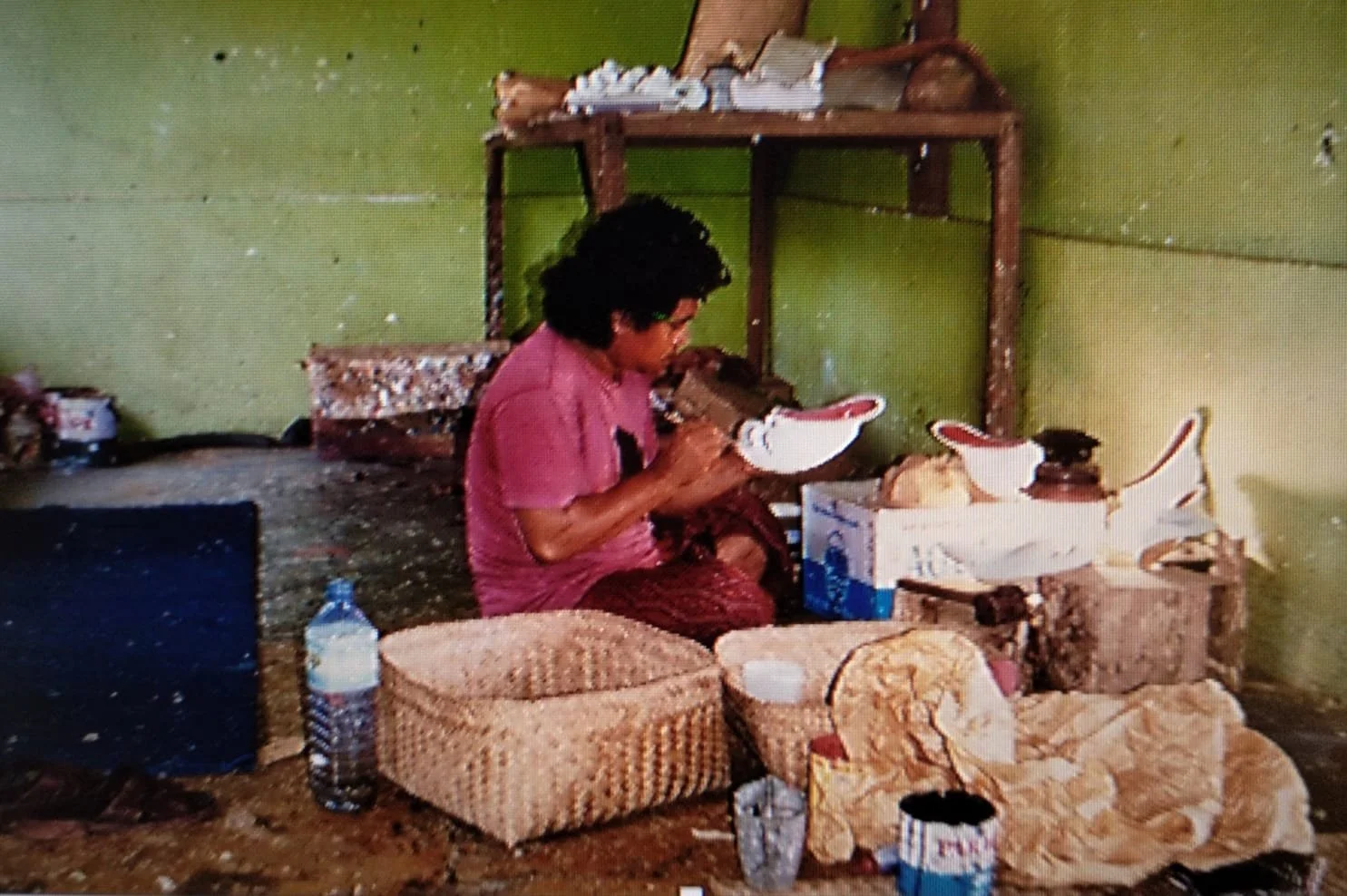
In my joy of having found the man, I exclaimed, perhaps a little too boldly:
I’ve been looking for you for 14 days...
A slight grunt of rejection came from the man. I.B. ANOM MASK MAKER. I still only had the sign on my retina. Maybe he wasn’t the right one. Or just the GATEKEEPER TO THE SACRAL CAVE.
So total opposite of everyone I had met until now, he did not present that welcoming archetypal Bali smile I met everywhere over the entire island, even when I had to say no to the souvenir seller.
I stood there a little confused, waiting for more. But nothing more came; he continued his work without looking up. I got stubborn: I'm not going anywhere, just because of this gesture!!!!
I was ready to draw my sword and kill the dragon and enter the holy halls of masks.
"Some of my Theatre friends from Denmark have suggested that I find you and ask if you could make some theatre masks for me.
He turned his head slightly and made a friendlier grunt, after which he continued his work.
Hope!
Without looking up, he asked:
What kind of book do you have under your arm?
It's my sketchbook ...
Let me see it ...
Hope Hope
That book, with its binding, had previously served as an icebreaker, and here it might do miracles again.
And the man with the masks, whom I now assumed must be IDA BAGUS ANOM himself and whom I had been looking for, leafed through the book as if he already knew that he should look for a particular drawing. And he finds it, the only mask drawing so far in the book. Anom points at it and asks:
When are you going home ...
In 14 days ...
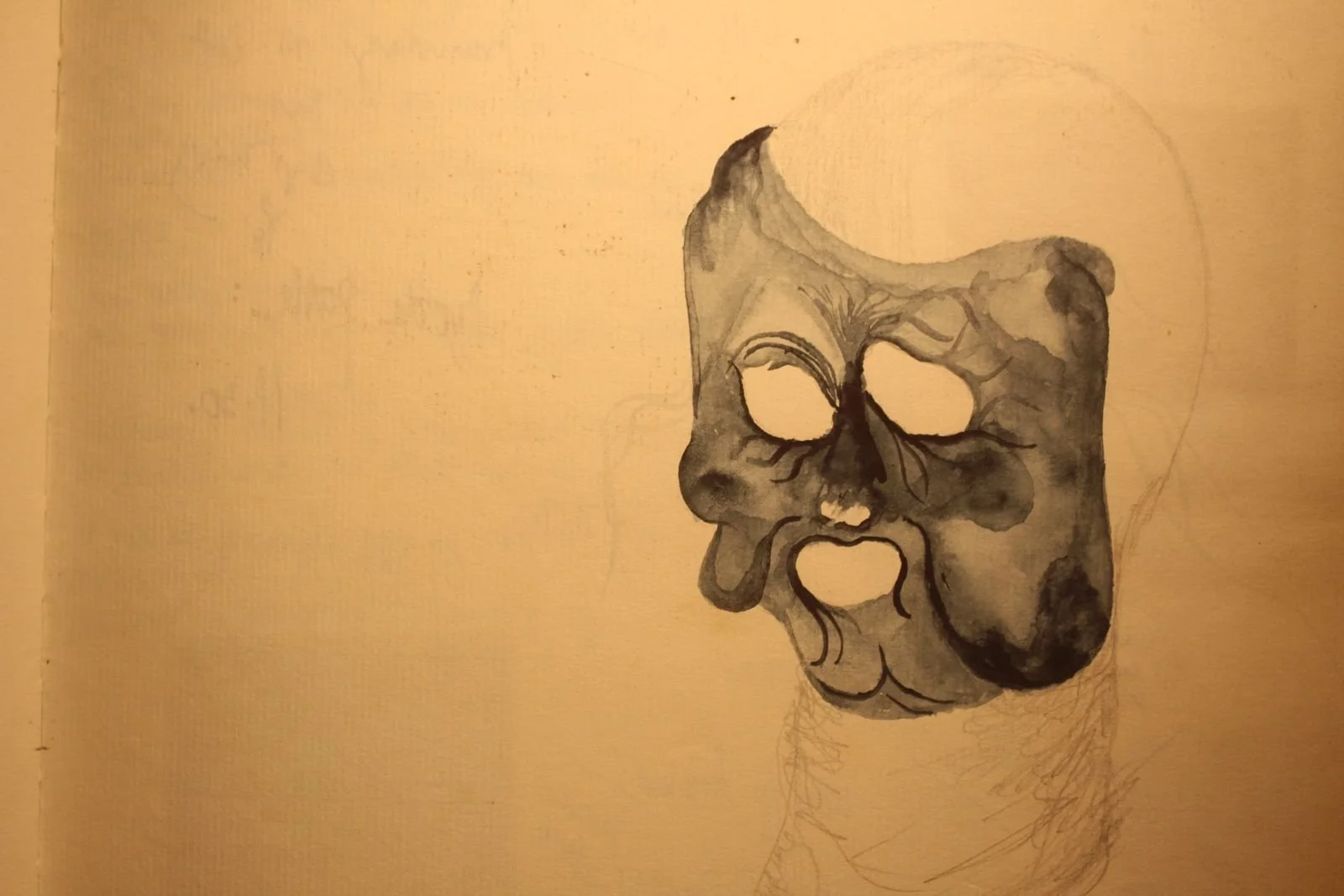
I'll make that mask for you.
So, you are the famous Ida Bagus Anom?
Yes!!!
That mask became the magic tinder box or lighter, as we say today, touch the mask and you will get what you want.
Make a photocopy of the drawing and bring it back to me.
Copy machines. But copy machines were practically forbidden!
But here I had the two young and helpful drivers, who saw it as an honour to be able to solve that task too. Find a copy machine! We know where they have one. They already helped me find the mask maker, and now one more task!
Be good to your helpers; they could be angels.
The mask was finished on time!!!
And here the spiritual foundation is laid. Between Anom and me. Sealed in a very special mask.
I returned to Denmark with 3 masks, not enough at all to create a workshop. But enough for now.
When will I return to Bali again? How to describe Bali…Had I known what wild fairy tales waited ahead at that time, I would have fainted.
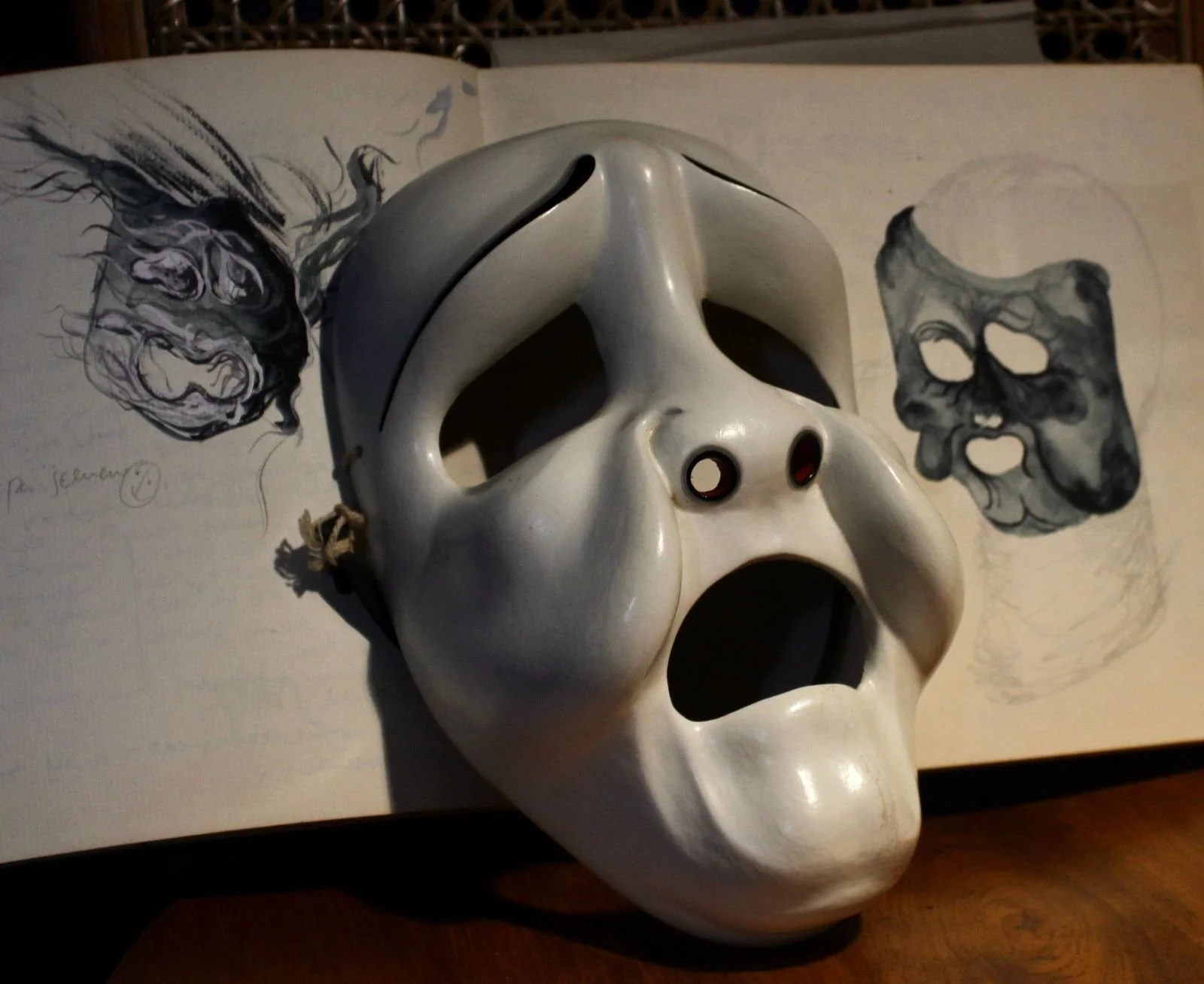
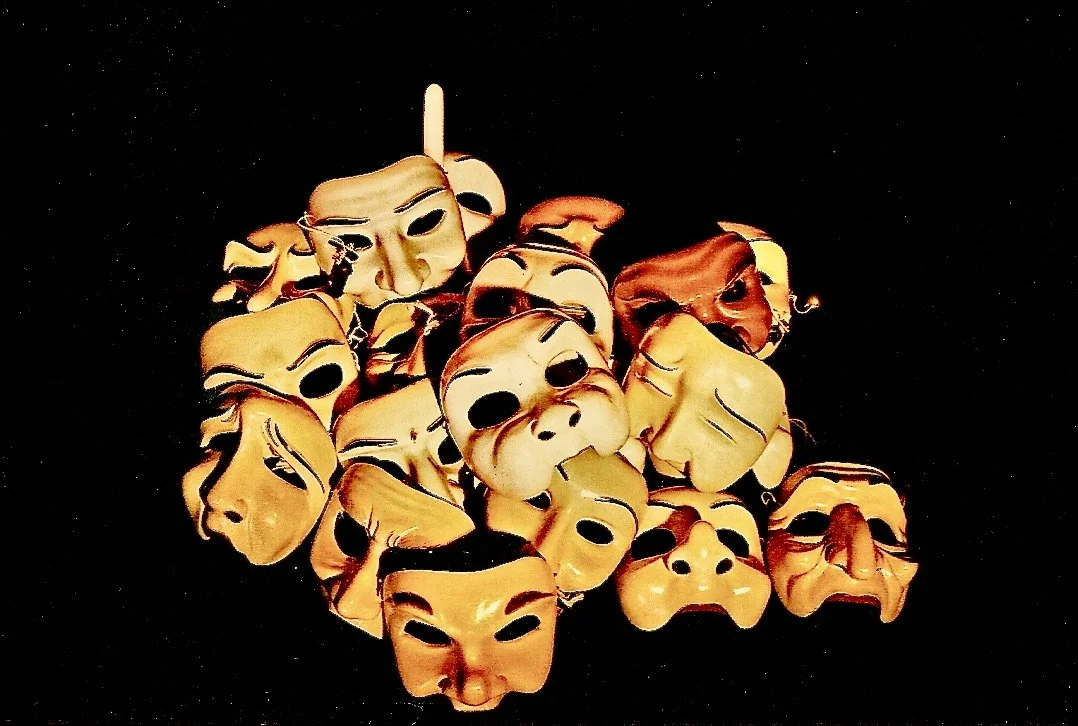
Characters Mask For GITIS In Moscow
GITIS, MOSCOW.
Love the Art that lives in you, not yourself in the Art.
I'm sitting on a stage with new, rough-planed floorboards in one of GITIS's many lecture halls in the middle of Moscow.
GITIS stands for the Russian Institute of Theatre Arts, the largest and oldest independent theatre school in Russia. The institution is an important centre for theatre, dance, and performing arts education in Russia and the world.
There are nine Russian acting students, nine Danish acting students.
Three Russian professors, a samovar with hot water, and a small teapot on top. And me. In a corner, far smoothly withdrawn from the centre and the noise of excited students. I have been traveling for 48 hours, barely without sleep.
9th, of September 1989, I left my hometown in Denmark to be here on time.
Observe Listen and empty my heart and brain of garbage after years of negative propaganda.
Ok, so that’s how a samovar works!!!
In my self-composed ALL ONE situation, a young, beautiful Russian student spotted my solitude and came over to me, and she asked:
‘Who is your favourite Russian Author? And thank god for my interest in Russian literature, I answered her without hesitation, Fjodor Dostoevsky! And she started to dance with joy: ME TOO! ME TOO!….. How come that we had to be separated for so long….
“So we could do this exchange program!
What a sweet, happy laughter she shared with me. That sends love waves all the way to the walls in Berlin that would tremble down two months after this visit.
We are here on an exchange program between Dansk Teater and the Russian Theatre.
The competent power the three professors radiate during these first minutes together is overwhelming. Exchange? I am already run over.
But I might have something magical to exchange with.
In my pocket, I have half a roughly cut page of A4 paper that very clearly states that I have special permission to teach Balinese Masks at GITIS.
...We were transported directly from the airport to GITIS... so on stage are my luggage and two fine wooden boxes with 9 masks in each.
I will be staying with Professor Svereva, her son, and her husband at Leninsky Prospect 111. SÂDAN! ( Danish word for something like: Of course, Per will stay at Leninsky Prospect)
And what did Lenin say from his gigantic sculpture when he saw you turn into his prospect: “Welcome, Per”! And I whispered, Thank yoiu Sir, it took a while!
I am transported to the house and followed to the door by some students. All very well-organized.
The door opened very carefully, and two pairs of eyes full of fear stared at me. GATE KEEPERS. They think there is a troublesome, old, grumpy Danish Doctor and Professor on the other side of the door. Those titles do not fit me, but in my presence, the opposite, some happy blue eyes looked at them, and they saw a young, happy boy with some masks. You could mostly hear the release all over.
Those 3 weeks grew way beyond my imagination. It was an artist’s house. One thing was GITIS, another thing was Leninsky Prospect 111. Joy and wisdom filled every empty artist cell in my body. And the conversations not to forget.
A week after arrival, space is made in the schedule for a teaching session with masks, and it is on this occasion that the Russian professors reveal what treasures are hidden in the 18 masks from Bali.
From their notebooks, they throw around words that were unknown to me..
Willpower, Imagination, and Images. Character Centre, Archetypes, Beauty, Image of Whole. Image of Truth, Image of Ease, Working Gesture, Life Body, Radiation, Atmosphere, The art of Ensemble, and much more…. All gifts to the inspired actors! All gifts to the always loyal audience… and the masks.
The three professors pulled me into Aladdin's cave to tell me the priceless values of the masks and the importance of sealing the material and keeping the most important values aside throughout the work. Do you understand what values for the theatre you are holding in your hands?
And here I get the invitation to come back and direct August Strindberg. The Swedish writer and playwright.
The art of keeping something secret is indeed important. A painful truth that took me a long time to learn.
Right now, where I write this, I have designed 5 moon-mask drawings inspired from the Irish author W.B. YEATS, the “Vision” where he describes 28 moons in the monthly cycle that impact all of us.
They are all five drawings spread out on the floor in front of Ida Bagus Anom’s sons, IDA BAGUS KETUT RAJASTRA. Sitting on the floor in the same house as IDA BAGUS ANOMS HOUSE, where it all started. MASK MAKER.
Although the Russian students only received their plane tickets to Denmark the evening before their departure, the agreement was kept from the Russian authorities... but there was no Russian jubilation until the plane's wheels hit the runway in Denmark. The authorities could recall the plane at any time, as long as it was not on Danish soil.
The exchange was complete!
18 masks
"How can we deepen it in the theatre? How can we get out of the head and into the body, and how can we get into the subconscious and from there into the archetypal substance of the audience?"
I returned to Bali in March 1989, this time to acquire 18 masks, specially designed for the theatre exchange program between Russia/Denmark.
I suggested that I might go back to Bali and have 18 masks made.
Until that project was approved, we had nothing to exchange. But I knew that the masks could open up for the body language and that it would break down the language barriers between us... Normally, the masks work with a gibberish language that, through body language, becomes an understandable language in various improvisations. That is all I have learned.
Right in the middle of the second visit, I throw the towel into the boxing ring and have to admit that I don't have the right tools to either find or develop charisma. I have been here in Bali long time before Gitis in Moscow.
TAKSU and Artaud are said to be illusory, and we can't get any further.
There is simply a lack of tools. A lack of words.
For the Balinese, Taksu is something you receive or pray for in a specially designed temple, or you meditate in front of the house temple’s Taksu shrine; it is not an intellectual process like the one I am trying to draw the Balinese into. And I realize that was very wrong of me.
Antonin Artaud is very close to the TAKSU goal in his "Metaphysics and Mise en Scène", 2nd chapter of his book "Theatre and its Double". He is captivated by a painting that has a special aura, and that is Lucas van der Leyden's "Lot's Daughters".....There, he finds the concept of charisma hidden, and again, he does not “know” what to call it, or what words to use to describe the phenomenon. But his words are inspiring.
He sees it, and his artistic instinct senses it.
It is possible that the conversations between Anom and me, about dance, music, masks, Artaud, and much more, ultimately give inner life to the drawings I make.
For example, when Anom tells me about the different characters I want to make, seen from a Balinese perspective, and which are found in the Balinese mask tradition, it finds its way to my imagination, and when I finally get inspired to create the drawings, it all comes back up and onto the paper.
When work on a drawing of the mask starts, the drawing must be completed immediately to preserve it as the final expression. Then comes the fine pencilling, and finally, I paint the faces with aquarelle as a smooth inspiration for the mask artist. Not that the masks are ultimately to be painted like that.
At the top of the paper on the right side is the character's name, and on the left side is a doodle that means the same as the text.
If I get distracted and need to return to the task again, I use the doodle as a password to the creativity of my instinct.
Artaud quietly steps into the background, observing, while we are busy getting both the image created and the masks cut.
And then:
The unimaginable happens.
The artist's dilemma: time has passed, and the first nine masks are about to be ready for the final finish.
The other drawings of the masks that will be made after my departure are also taking shape on the drawing board. Except for one... the last one... The artist's nightmare. ... stress and time and the tickling excitement are contributing factors. The visual world freezes to ice. Inspiration evaporates.
I decide to visit one of the many tourist cafes in Ubud to find some good inspiration.
I find Restaurant Aris, which has a long “social table” in the middle of the room... The restaurant is empty, but at the end of the long table, three people are sitting and talking wildly. I can literally hear my spiritual helpers laughing and clapping their hands: "Look what we found for you!"
He is furious and scolding, and the women are teasing him, and from what I can scrutinize from his movements, he can't stand what is happening on the other side of the street. The Ubud temple has a huge Odalan festival, and there are usually many proceedings happening at the same time, which can seem completely chaotic to the first visitor. And in all this noise, his mind is about to break down... from the sound of their voices, I can hear that they are speaking a special German-sounding language. He sits in the most correct position so that I can quickly get a hold of his profile. It goes quickly, and there he is, beautifully shaped according to the paper. The next day, I hand the drawing over to Anom and tell him very briefly about the episode. The last mask! We did it.
When we board the plane in Bali, the same three people are on board, and we have a stopover in Vienna, where they get off the plane, and thus the name of the mask became The Man from Austria.
And what do you do when you are in the first class at GITIS and suddenly see that the mask acts and speaks like the Man from Austria?
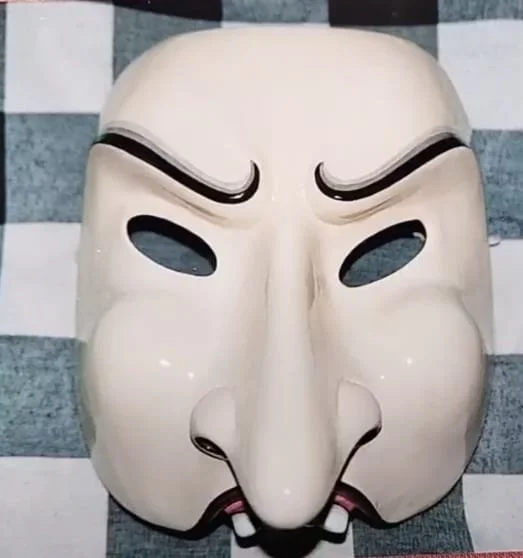
The man from Austria
You call your bank and ask for more money so you can go back to Bali and figure out what it’s all about….but before that, you stay cool and hone your will force. Even you are scared to death.
Heifets: “Let’s make a toast to our students, because they are better than us! They don’t have the heavy burden of knowledge on their shoulders that we do.”
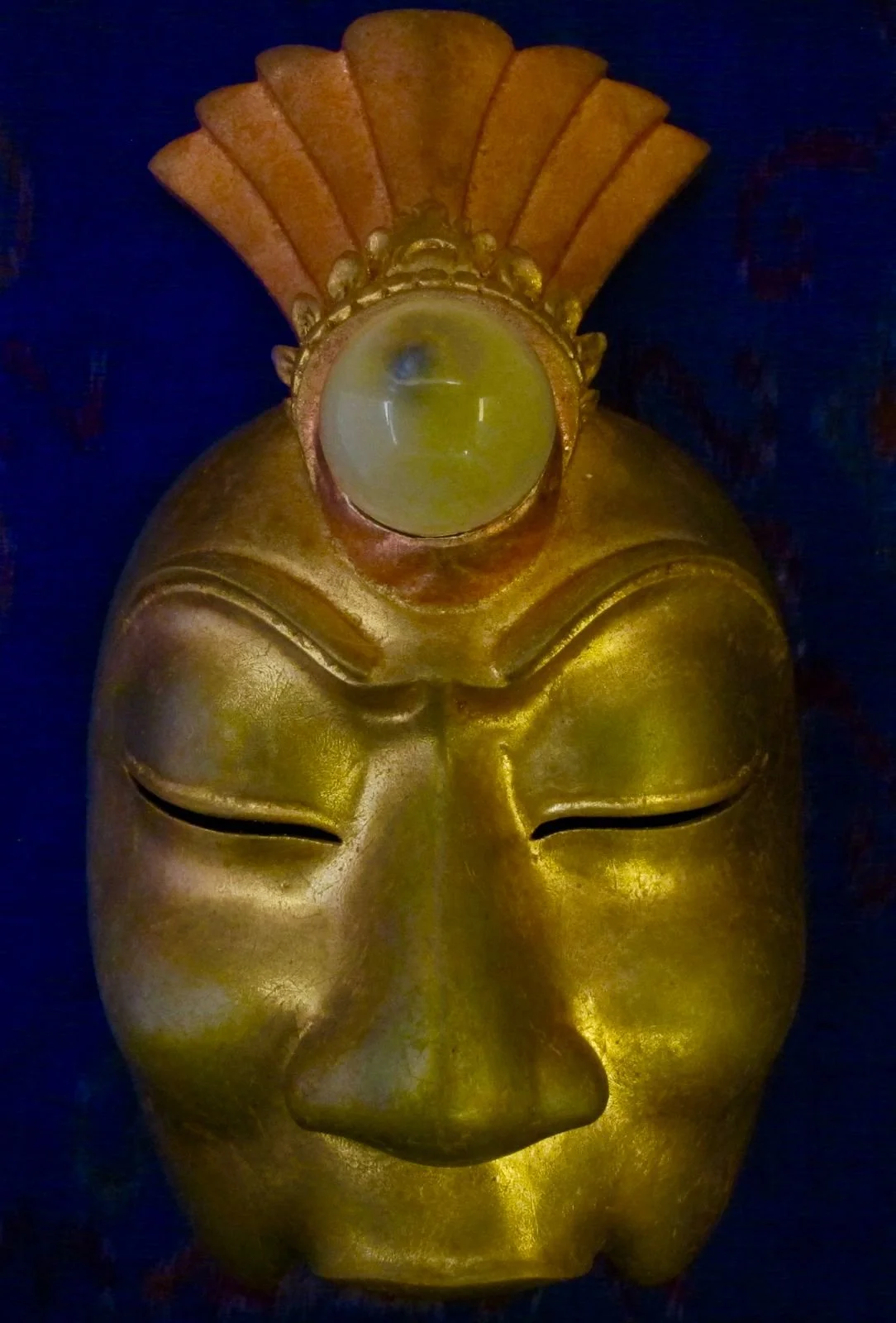
Masks in use.
RED NOSES:
Basic opening for all mask work and our understanding of transformation and character
MARS ~ VENUS masks. ACHILLES ~ PETROCIUS masks
MASCULINE AND FEMININE ENERGIES TO THE MAXIMUM EXTEND.
The Patriarch Mask/ The Matriarch Mask
THINKING, FEELING AND WILL MASKS.
The will force that is the foundation for all creativity and imagination are stimulated by the will mask. It is the will that control the brains activity “THINKING MASK” it is the will that drives the actors imagination and create the chemistry for all drama on stage. Non artist can also benefit from the will especially after certain emotional accidents.
THE POWER OF THE INNER CHILD.
In Bali it is called “The Gods WIL” That is the first quality we bring with us. The will to survive, the will to be, the will to cry to laugh to run to sing….but not to be limited in our expression. If limited it creates traumas later in life. The Inner Child Masks awake “Gods Will” and you are free.
CHARACTER MASKS
A huge deepening of characters how to create a character, centre, form, beauty, image of whole, image of radiation and how to create a character in imagination/incorporation/transformation/inspiration/and understand the compassion for the character. In the collection we have character masks as half masks and characters as full face masks.
ARCHETYPE MASKS
We have a set of 9 archetype masks. We have produced for others up to 27 archetype masks and Carl Jung’s 12 Archetypes plus the 6 counter Archetypes. But we use the most known also according to the Balinese mask tradition. The King, the Queen, the Princess, the Prince, the Hero, the Two Clowns, the Witch and the Seducer.
CLOWN MASKS
The clown masks comes I various characters. First of all they are an important part of the Balinese Ceremonies specially CALON ARANG that can contain long or short entertainment with the clowns. The end of the ceremony and the end and the end of Shakespeare’s HAMLET has clear similarities. Both performances intend to cleanse all evil out. Dharma
“BIG WHITE”
9 “out of shape” funny looking masks but not caricature of anyone. Used to instruct form, timing, “legato staccato” tempo/rhythm. Being in the moment, strength in the moment and timing. It is pure clowning. They only work when directed by a teacher or an actor.
DHARMA SADYA
Represents alignment of thoughts, words, and deed with reality. Explore the truth within you. A full-day delicate work.
ANTITHESIS MASKS versus PRIMAIRY MASK
The primary mask is the mask we use every day in the social public life. The antithesis is what is going on behind the our mask and deep down under what it covers, even for one self. It is a fairy tale journey with all the ingrediencies. upon return, you receive “the gift of life”
MASKS OF GABRIEL
The messenger from God”. These are masks created from paintings of Leonardo da Vinci, Matthias Grunewald, El Greco and more. They coincidentally are from the same scene where Gabriel, according to Christianity, brings the message to Mary that she is to give birth to a Messiah. They work for a personal clarification. And to calm the mind. And heal the stress.
LOVE MASKS
It is an ensemble of 9 masks copied from a collection of old paintings from Punjab in India... they are exhibited at the Metropolitan Museum in New York City. They are gentle and comforting, swirling around the heart with a good amount of healing energy and fill you with love.
OPERA MASK :
They are masks featuring famous voice – unbelievable – has recognisable voices of Caruso, Melchior, Gigli and Björling, Maria Callas, Kirsten Flagstad etc. 9 all together. And all users sing opera with those masks on. They restore contained and scattered vocal cords.
VOICE MASKS.
Heal voices from different energy centres in/on the body.
WAYANG KULIT VOICE MASKS.
The 4 voice-masks from the Balinese Shadow Play, Wayan Kulit.
Where the opera masks are “educated voices” the 4 voices from the shadow plays are rooted in the primal sources in the human body. By using the masks they expand the volume/space of the vocal cords and give the voice easy access to the whole register of what a voice can do…and more. When participating in that training that connect the user to the primal voice we visit the rice farmers and listen to their voices they use to scare the birds out of the rice field when the rice are ripe.
LEONARD da VINCI MASKS/WILLIAM SHAKESPEARE
18 masks from Leonardo da Vinci sketches/18 Characters from Shakespeare’s “Twelfth night or what you will”.
Even the masks are made direct from Leonardo da Vinci’s sketchbook of human being in Florence, Italy they fit well all the Characters in the play. How that can happen? You need to work with them.
Masks in connection the Twelfth Night:
KAMA SUTRA MASKS
“PLEASURE FROM THE FORCE WITHIN” “ MILK AND WATER” “LIKE PINS DANCING ON MY SKIN”
The Icon mask.
It is “the double perspective” A real awakening of see and be seen.
Actor/Audience.
The mask expose a strong presence on stage, and awakens the same presence in the audience. Neither film nor television nor other media can give this unique experience that is only available in live performances. Strong developer of atmosphere, ensemble expansion, and a strong radiation between the actors in the ensemble on stage and to the audience. And at the end the benefit for all involved: Pleasure.
MICHAEL CHEKHOV MASKS.
The Michael Chekhov Masks are a collection of masks containing Chekhov’s Collected Exercises. Each mask has implanted one image f ex. EASE, EXPANSION, RADIATION, FORM, BEAUTY, IMAGE OF WHOLE, LIFE BODY, GESTURES ETC. backing the actor's use or training of various exercises.
HEALING MASKS
Matthew Passion
Masks 11 masks created alone by listening to 11 different songs from the passion: Strongly spiritual and healing masks. Music composed by German classical baroque composer Johan Sebastian Bach.
NO FEAR OF DEATH
TAKSU masks
Chakra Mask.
Metaphysic Masks.
ATMAN MASK
5 GOLDEN HEALING MASKS FOR DIFFFERENT INDICATIONS MERITATEN EGYPT PRINCESS
SIAP
CURTAIN UP
LIGHT ON
IGNITE